Mobile Billing Explained: Bills & Payments
Understanding your mobile phone bill, payment options, and how to manage billing issues. A complete guide for UK mobile customers.
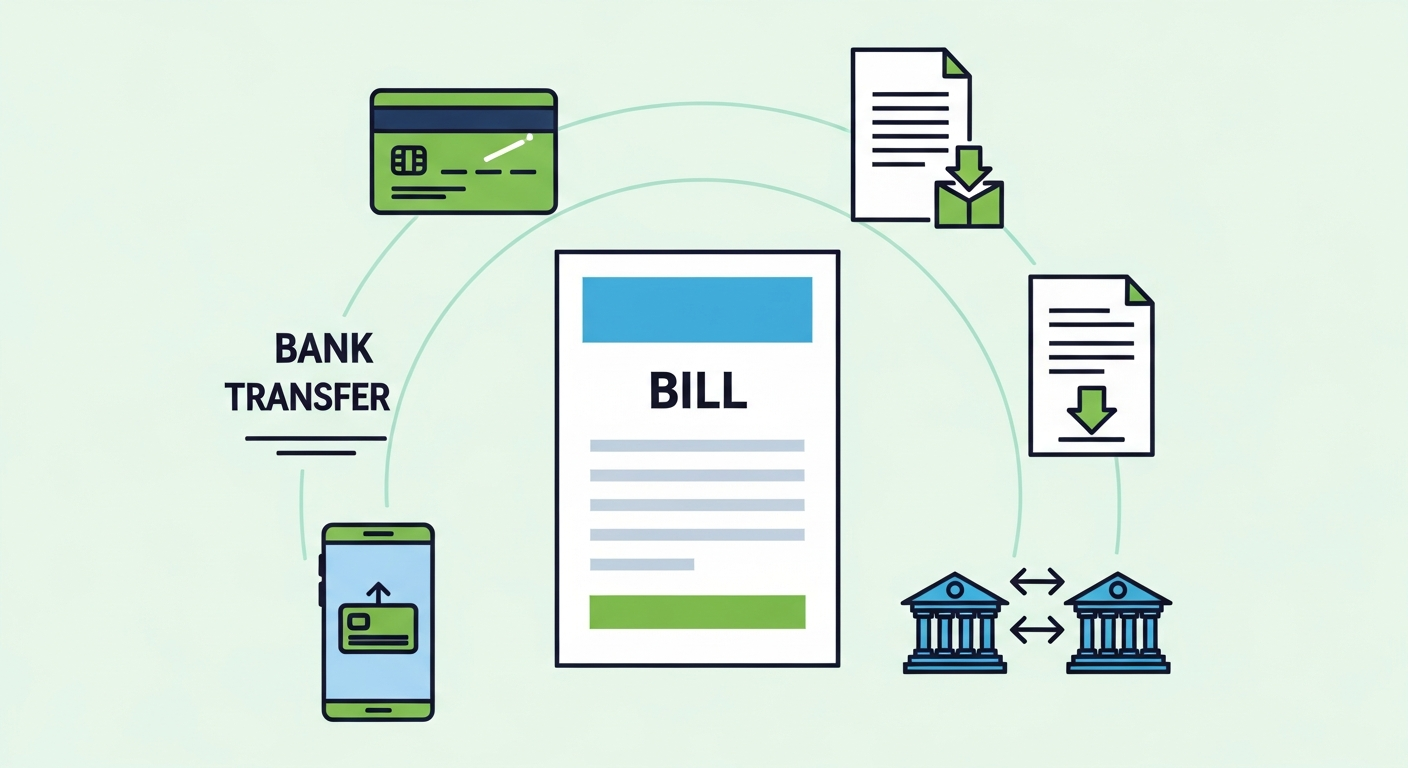
Understanding Your Mobile Bill
We've compiled this guide from official sources and real user experiences.
Your mobile bill typically contains several sections. Understanding what each charge means helps you spot errors and manage your spending.
Common Bill Sections
- Monthly Plan Charge: Your fixed monthly cost for calls, texts, and data allowance
- Device Payment: If you're paying for a phone on contract (e.g., O2 Refresh device plan)
- Out-of-Bundle Charges: Costs for usage exceeding your allowance
- Premium Rate Services: Charges for premium numbers (090x, 118, etc.)
- Roaming Charges: Costs for using your phone abroad
- Add-ons: Optional extras like international calls or extra data
- One-off Charges: Activation fees, late payment fees, etc.
How to Read Your Bill
- Check the billing period dates at the top
- Review your plan charges match your expected rate
- Look for any out-of-bundle or unexpected charges
- Check roaming charges if you travelled abroad
- Verify the payment date and total amount due
Payment Methods
Direct Debit
The most common payment method. Your bill is automatically paid from your bank account each month.
- Automatic - never miss a payment
- Often required for contracts
- Protected by Direct Debit Guarantee
- Payment taken 10-14 days after bill date
Debit/Credit Card
Manual or recurring card payments through your online account or app.
- One-off or recurring payments
- Instant payment confirmation
- Set up through online account
- May need to remember payment dates
Bank Transfer
Pay directly from your bank using the network's payment details.
- Manual payment each month
- Use your account number as reference
- May take 1-3 days to process
- Good for one-off payments
In-Store / Phone
Pay at retail stores or by calling customer service.
- Cash or card accepted in stores
- Phone payments may incur fees
- Useful if you can't pay online
- Receipt provided immediately
Disputing Your Bill
Steps to Dispute a Charge
-
Review your bill carefully
Download your itemised bill and identify the specific charge you're disputing.
-
Gather evidence
Note dates, times, and why you believe the charge is incorrect.
-
Contact customer service
Call your network or use live chat to explain the issue.
-
Request a formal complaint
If not resolved, escalate to the complaints department.
-
Contact the ombudsman
After 8 weeks or a deadlock letter, contact CISAS or Ombudsman Services.
Common Bill Issues
- Unexpected roaming charges: Check if roaming was active abroad
- Premium rate texts: May be from subscriptions you didn't authorise
- Data overuse: Check if background apps used data
- Price increase: Networks can raise prices mid-contract - you may be able to leave penalty-free
- Charges after cancellation: Keep proof of your cancellation request
Money-Saving Tips
- Set up spending caps - Most networks let you set a limit on out-of-bundle spending
- Use Wi-Fi when possible - Reduce mobile data usage by connecting to Wi-Fi at home and work
- Check your plan regularly - Make sure you're on the best plan for your usage
- Block premium numbers - Ask your network to bar premium rate calls and texts
- Review recurring add-ons - Cancel any extras you no longer use
- Go paperless - Some networks offer discounts for online billing
Need Network-Specific Help?
Check our dedicated guides for O2 and Virgin Media billing support.
Understanding Your Mobile Bill Line by Line
A typical UK mobile bill can seem confusing at first glance, especially if you are on a split contract or have multiple add-ons. Breaking it down line by line helps you understand exactly where your money goes and makes it easier to spot any charges that should not be there.
Airtime Plan Charge
This is the core of your bill and covers your monthly allowance of calls, texts, and data. On a standard contract, this is bundled with your device cost. On a split contract such as O2 Refresh, the airtime plan appears as a separate line item from your device payment. The airtime charge is fixed each month unless you have triggered an annual price increase clause, which networks typically apply in April based on CPI or RPI plus a fixed percentage. If your airtime charge has changed unexpectedly, check whether an annual price rise has been applied.
Device Plan Payment
If you are on a split or bundled contract that includes a handset, this line shows the monthly instalment for the phone itself. This amount is fixed for the duration of your device plan and does not change. Once all device payments are complete, this charge should disappear from your bill. If it does not, contact your network immediately as you may be overpaying. Under Ofcom rules, networks must notify you when your device plan is fully paid and reduce your bill accordingly.
Out-of-Bundle and Premium Charges
Any usage that falls outside your included allowance appears here. Common out-of-bundle charges include calls to non-geographic numbers (starting with 084, 087, or 09), international calls, premium-rate texts, and data used beyond your monthly cap. Premium-rate services are a frequent source of unexpected charges and can include subscription services, voting lines, or adult content numbers. If you see charges for services you did not knowingly use, you may have been enrolled in a third-party subscription. Contact your network to block premium-rate services and request a refund if appropriate.
Roaming and International Charges
If you used your phone abroad during the billing period, roaming charges will appear as a separate section. This includes data usage, calls made and received, and texts sent while roaming. Even if your plan includes EU roaming, any usage above the fair use limit will be charged here. Calls to international numbers made from the UK also appear in this section. Always cross-reference roaming charges with your travel dates and the roaming terms of your plan. If you were charged for a day you did not actually use your phone abroad, raise a dispute with your network.
Add-Ons, Discounts, and Credits
This section lists any optional extras you have added to your plan, such as additional data packs, international calling add-ons, or insurance. It also shows any discounts you receive, such as multi-line discounts, loyalty credits, or promotional offers. Check that all active add-ons are ones you still want and use. Recurring add-ons that are no longer needed can silently drain your budget month after month. Similarly, verify that any agreed discounts or credits are being applied correctly.
How to Dispute a Billing Error
If you believe there is an error on your mobile bill, you have clear rights under UK consumer law and Ofcom regulations. Following a structured process increases your chances of a swift resolution and ensures you have a paper trail if the matter needs to be escalated.
Step 1: Download Your Itemised Bill
Before contacting your network, download a full itemised bill from your online account or app. This document lists every call, text, and data session along with the associated charge. Identify the specific entries you believe are incorrect and note the dates, times, and amounts. Having this detail ready before you call will make the conversation more productive.
Step 2: Contact Customer Service
Call your network's customer service line or use their live chat facility. Explain the issue clearly, referencing the specific charges and dates from your itemised bill. Ask for a case or reference number so you can track the complaint. Many billing errors, such as duplicate charges or incorrectly applied add-ons, can be resolved during this first call. If the advisor cannot resolve the issue, ask to be transferred to the billing disputes or complaints team.
Step 3: Make a Formal Complaint
If your initial contact does not resolve the issue, submit a formal written complaint. All UK networks are required to have a complaints code of practice, which outlines how to submit a complaint and the expected response timescales. Send your complaint by email or letter, keeping a copy for your records. Your network has eight weeks to resolve the complaint from the date it is received.
Step 4: Escalate to an ADR Scheme
If your network has not resolved your complaint within eight weeks, or if they issue a deadlock letter stating they cannot resolve it, you can escalate to an Alternative Dispute Resolution (ADR) scheme. UK mobile networks are required by Ofcom to be members of an approved ADR scheme. O2 and Three use Ombudsman Services: Communications, while EE and Vodafone use CISAS (Communications and Internet Services Adjudication Scheme). The ADR service is free for consumers and will review the evidence from both sides before making a binding decision. Awards can include refunds, compensation, and apologies.
Your Ofcom Rights
Ofcom does not handle individual complaints but sets the rules that networks must follow. Under Ofcom's General Conditions, networks must provide accurate bills, respond to complaints within defined timescales, and offer access to ADR. If you believe your network is systematically overcharging or failing to meet its obligations, you can report the matter to Ofcom, which may trigger a wider investigation. Citizens Advice also provides free guidance on telecoms disputes and can help you understand your rights.
Payment Methods and Options
UK mobile networks offer several payment methods, and choosing the right one can affect both convenience and financial protection. Here is a closer look at each option and when it makes sense to use it.
Direct Debit
Direct Debit is the most widely used payment method for mobile contracts in the UK. Your bill is automatically collected from your bank account each month, usually ten to fourteen days after the bill is generated. The key advantage is the Direct Debit Guarantee, which protects you if the wrong amount is collected or if a payment is taken on the wrong date. Under the guarantee, your bank must offer an immediate refund if an error occurs. Most networks require Direct Debit for new contracts, and some offer small discounts for customers who pay this way.
Credit and Debit Card Payments
You can pay your mobile bill using a credit or debit card through your network's app or online account. Some customers set up a recurring card payment as an alternative to Direct Debit, which works similarly but without the Direct Debit Guarantee. One advantage of paying by credit card is the additional protection under Section 75 of the Consumer Credit Act for purchases over one hundred pounds, which could be relevant if you are disputing a large charge. Card payments can also be used for one-off payments if you need to settle an outstanding balance or pay an early termination fee.
Paying in Store or by Phone
All major UK networks accept in-store payments at their retail outlets, where you can pay by cash or card. This option is particularly useful if you do not have online banking access or prefer face-to-face transactions. You can also pay by calling customer service and providing card details over the phone, though some networks may charge a processing fee for telephone payments. Payment by cash at Post Office branches is available with some networks through PayPoint or Payzone terminals, which is convenient for customers who prefer cash-based budgeting.
Payment Holidays and Hardship Support
If you are experiencing financial difficulty, UK networks are expected to offer support in line with Ofcom guidance. This can include temporary payment holidays, reduced payment plans, downgrading to a cheaper tariff, or capping charges to prevent debt from growing. Contact your network as soon as possible if you are struggling to pay, as they are generally more willing to help if you reach out before missing a payment. Some networks also work with debt advice charities such as StepChange and National Debtline to provide tailored support. Being proactive about communication is key: networks are far more accommodating when customers engage early rather than ignoring bills until debt recovery begins.
Frequently Asked Questions
Why has my mobile bill gone up without warning?
How long do I have to dispute a charge on my mobile bill?
Can I get a refund if I was charged for a service I did not use?
What is the Direct Debit Guarantee and how does it protect me?
Written by the AtlasMobile Team
Independent UK Mobile & Broadband Experts
Our editorial team combines over 25 years of experience in UK telecommunications. We research, test, and verify all information to provide accurate, unbiased guidance for consumers.
Last reviewed: January 2026